
News
-

Mateusz Łabuz took part in the Promotionskolleg “Sicherheit und Entwicklung im 21. Jahrhundert” seminar organized by Konrad Adenauer Stiftung. He presented a speech on the subject of systemic competition regarding the regulation of artificial intelligence. Mateusz raised numerous issues related to the confronting visions of governance in the field of AI and modern technologies, and…
-
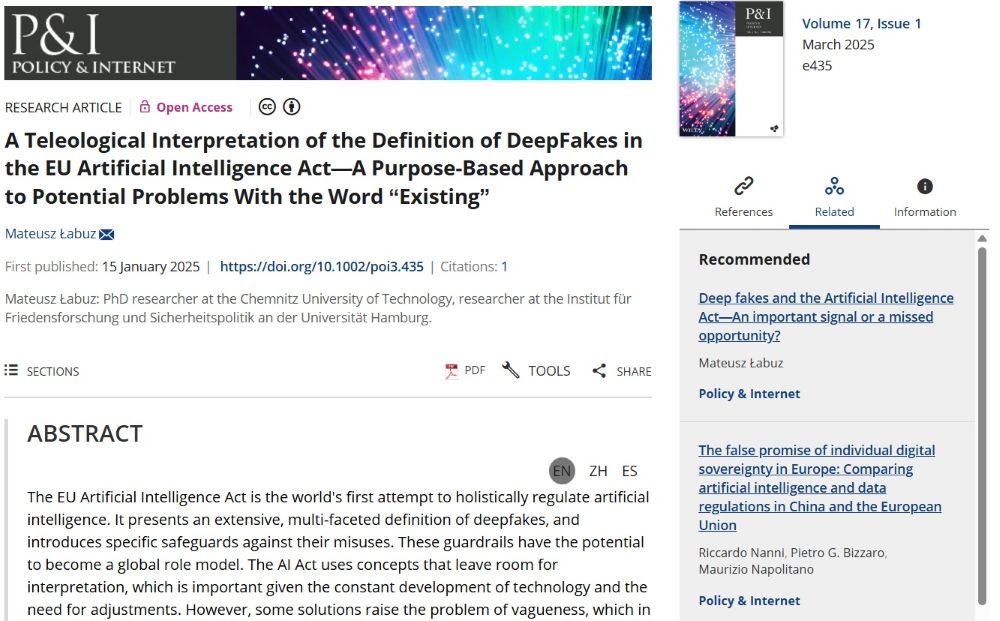
Mateusz Łabuz published a peer-reviewed article entitled A Teleological Interpretation of the Definition of DeepFakes in the EU Artificial Intelligence Act – A Purpose-Based Approach to Potential Problems With the Word “Existing”. The article offers a detailed analysis of the definition of deepfakes in the EU Artificial Intelligence Act. It focuses on the purposes behind…
-
Matthias spoke for Deutschland Funk’s podcast “Die Lügen der Anderen,” which addressed the issue of a post-truth world. These days, we can’t agree on even the most basic issues—often seemingly obvious ones. This isn’t even about politics. How do we navigate a world where truth is becoming a scarce commodity and lies can be spread…
-

Matthias Schulze, 14.10.2024 In the last blog post, we deciphered various elements of active cyber defense. We looked at technical definitions, analyzed the spectrum between defense and offense, and talked about deception. We concluded that active cyber defense might entail offense (i.e. engaging with the network of an adversary), but it does not necessarily need…
-
Matthias Schulze, 07.10.2024 The aim of this multipart blog series is to take a closer look at the various definitions one can find and dissect what types of actions the term “active defense” describes and how it contributes to security. The confusion with it stems from multiple reasons. 1) it is a political term, a…
-
Matthias Schulze, 2.10.2024 On September 7, the FBI published a dossier on Russia’s systematic information operations against the West and Ukraine. The 270-page document reveals a kind of automated information warfare-as-a-service. The scope, frequency and methods of the information operations against Ukraine and the West are frightening. Is Germany able to counter this? Social media…
-
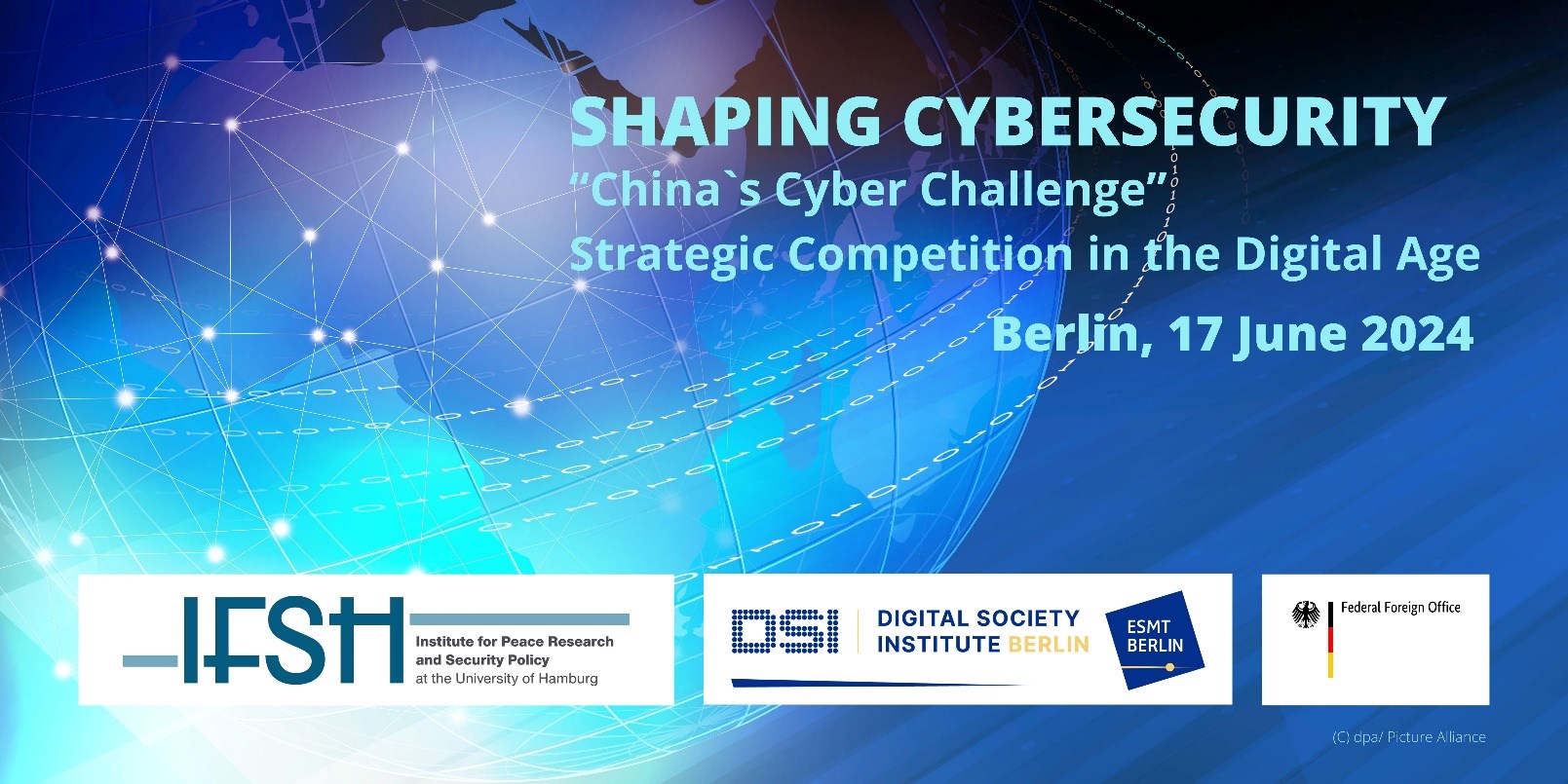
The Shaping Cybersecurity Conference 2024, co-organized by the German Federal Foreign Office (AA), the Institute for Peace Research and Security Policy (IFSH) and the Digital Society Institute (DSI) at ESMT Berlin, will bring together experts to discuss the challenges posed by China’s cyber operations and technological ambitions. The disruptive potential of China’s vision for a global Internet, driven by…
-
Matthias was a guest on the “Berlin Security Beat” podcast, where he spoke about conflicts in cyberspace. You can listen to the conversation here.
-

Matthias Schulze 22. January 2024 A German version of this blog post appeared in Tagesspiegel Background Cyber. As in Ukraine, the current war in the Middle East is once again being accompanied by a digital conflict. After two months of war, it is now possible to draw some preliminary conclusions about cyber capabilities in the…
-
Matthias was asked to comment on the article “Das sind psychologische Spielchen”: Wie Russland einen hybriden Krieg gegen die Nato führt,” which appeared in Tagesspiegel. In it, Lukas Kram describes the principles of Russia’s hybrid warfare against NATO countries, which includes cyber operations, disinformation, and psychological pressure. All aimed at undermining the adversaries’ resilience. You…
Archive
- Regulating Spyware Hubs: A Threat to Privacy and Democratic Control
- Lena and Mateusz published an article in the newspaper “Praxis der Wirtschaftsinformatik”
- Has Cyber Changed the Game?
- Political Tech Summit
- ICS activities in the second half of 2025
- We are hiring!
- Defending democracy against foreign influence campaigns: A wargaming exercise
- Webinar with Cyprus institutions
- Mateusz as a speaker at the GIZ conference
- Mateusz co-authored book
- Matthias joins the BSI conference advisory board
- PROTEKT – Roundtable Espionage & Zeitenwende
- OpEd on strenghtening social resilience
- “Reverse Brussels effect”? Mateusz’s OpEd in The Loop
- OpEd on AI and why Leo XIV chose this name
- Matthias in podcast “Was ist da los?”
- #1 Und DAS glaubst du?! – Ist Desinformation eigentlich ein neues Phänomen? mit Dr. Matthias Schulze
- ICS activities in the first half of 2025
- Matthias in Table Briefings
- Mateusz has just defended his PhD Thesis!
- Annual Peace Report published!
- The Real End of History: AI Shaking Google’s Hegemony
- The Crumbling Foundation of Global Cybersecurity
- Podcast available on recent research activities by Matthias Schulze
- ICS supports research
- Commentary for Tagesspiegel Background
- Matthias in podcast from Deutschland Funk
- Part 2: Doing active cyber defense
- Matthias interviewed by Berlin Security Beat
- Comment for Tagesspiegel article