
Our events
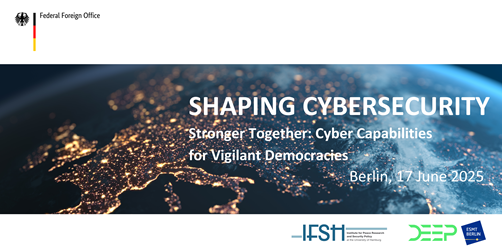
Shaping Cyber Security 2025
The topic of our flagship conference was “Stronger Together: Cyber Capabilities for Vigilant Democracies” and the event took place in June 2025

Workshops
Check out the academic and policy workshops we organized.
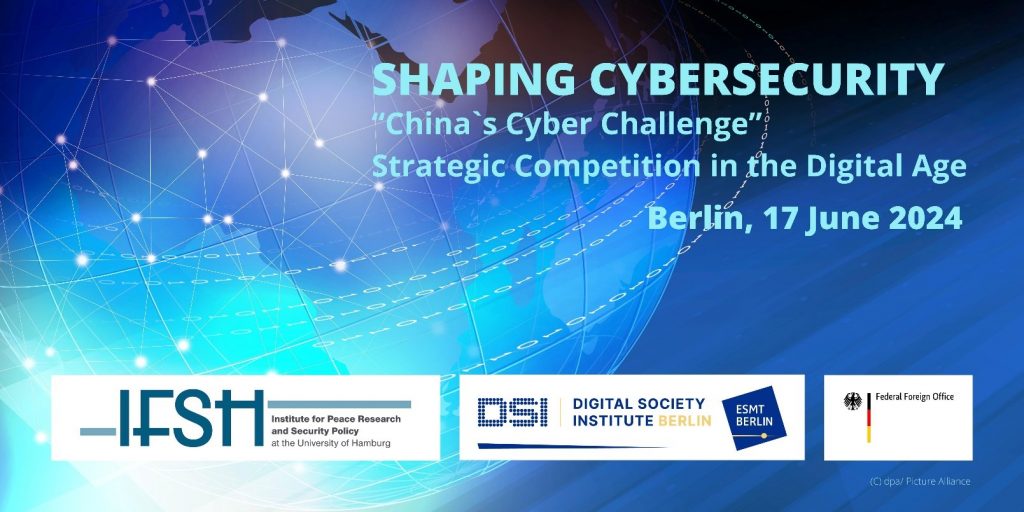
Shaping Cybersecurity 2024
The topic of our flagship conferencewas “China’s Cyber Challenge – Strategic Competition in the Digital Age” and the event took place in June 2024.
Events
-
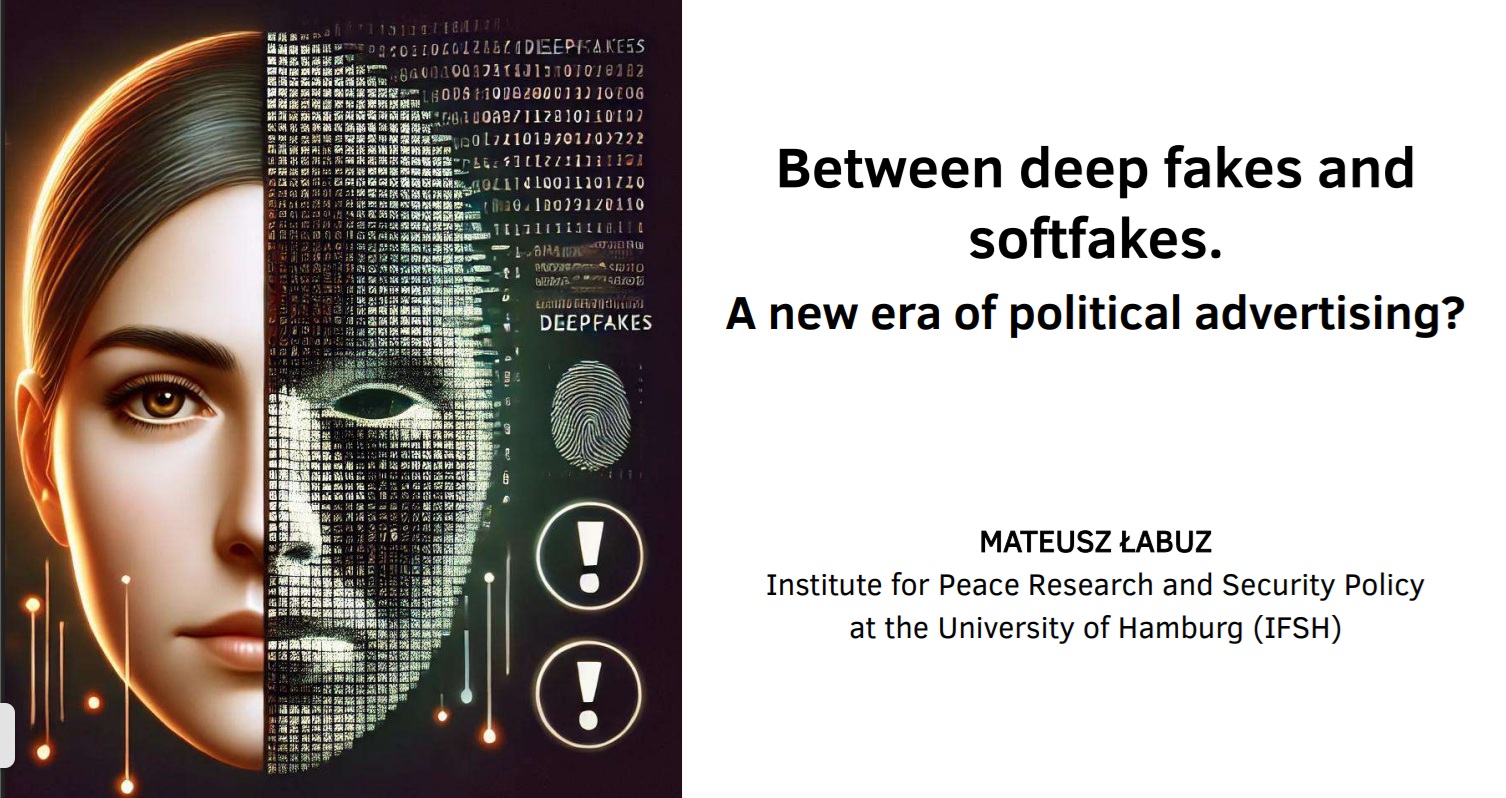
At the invitation of Nottingham Trent University, Mateusz Łabuz participated in a seminar titled “Online-Offline Continuum Approach: New Digital Frontiers.” During the seminar, selected issues related to the development of modern technologies were discussed. In his presentation, Mateusz focused on the new and still poorly understood trend of using deepfakes for political advertising. He pointed…
-
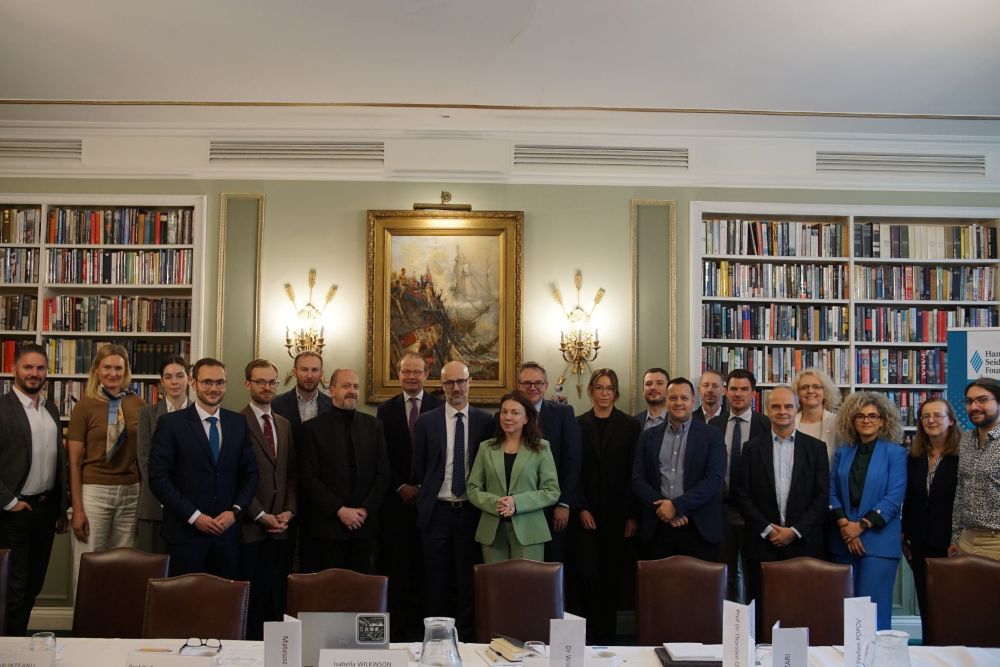
At the invitation of the Hanns-Seidel-Stiftung, Mateusz Łabuz participated in a conference devoted to new technologies and the regulatory challenges associated with their development. Mateusz moderated one of the panels, titled “Free Speech vs. Content Moderation – Shaping the Future Information Environment.” The conference, co-organized by King’s College, took place in London and brought together…
-

On 21.05, Matthias was invited by the Evangelic Church Germany (EKD) to their annual symposium on cyber-security. The event included talks on cyber-crisis prevention, ethical hacking, disaster recovery after ransomware incidents, and the role of awareness. Matthias’s talk addressed state-sponsored cyber-operations, the use of hacktivism in war time, as well as current Russian, Chinese and…
-
ICS co-organized the workshop for policymakers and researchers on the cybersecurity and cognitive warfare. The workshop was organized together with Konrad Adenauer Stiftung. Thank you very much for an excellent cooperation! Cognitive warfare has emerged as a significant challenge to democratic states and societies, encompassing threats across different domains. It influences, among other things, the…
-
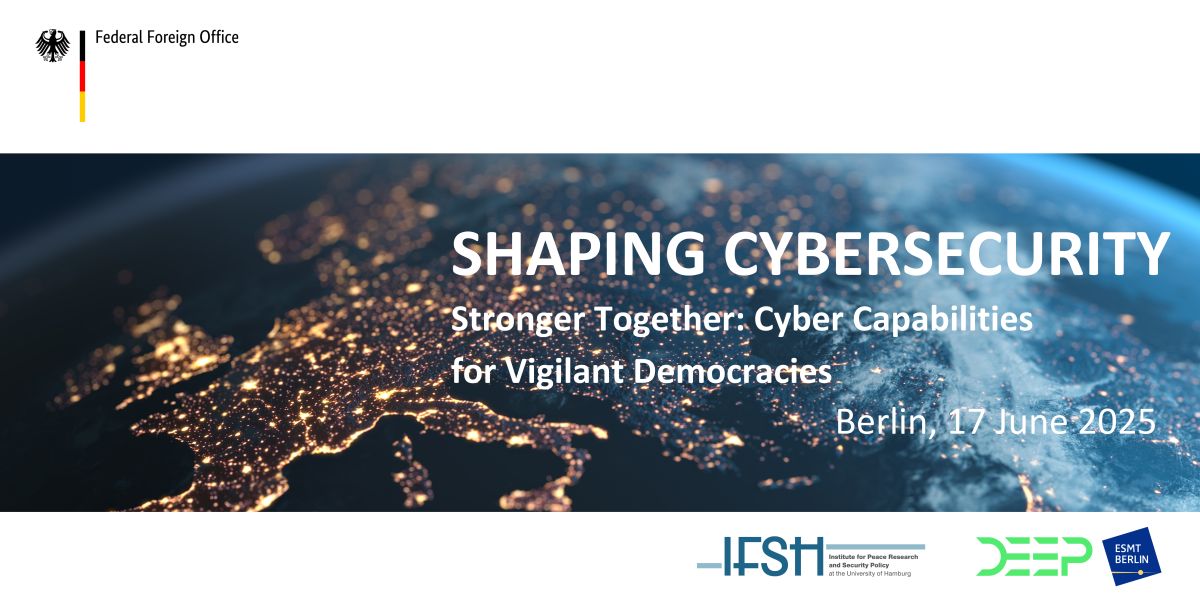
The Shaping Cybersecurity Conference 2025, co-hosted by the German Federal Foreign Office (AA), the Institute for Peace Research and Security Policy (IFSH) and the DEEP – Institute for Deep Tech Innovation at ESMT Berlin are bringing in experts to discuss the topic “Stronger Together: Cyber Capabilities for Vigilant Democracies”. Geopolitical tensions increasingly affect the cyber and digital space. In conflicts,…
-

Mateusz Łabuz participated in an event for students at the University of Warsaw, during which he discussed the threats posed by the development of synthetic media. In his presentation, Mateusz highlighted multifaceted challenges, including technical (e.g., breaching biometric security, improving phishing attacks), social (e.g., disinformation, crisis of trust, victimization of individuals and social groups), and…
-
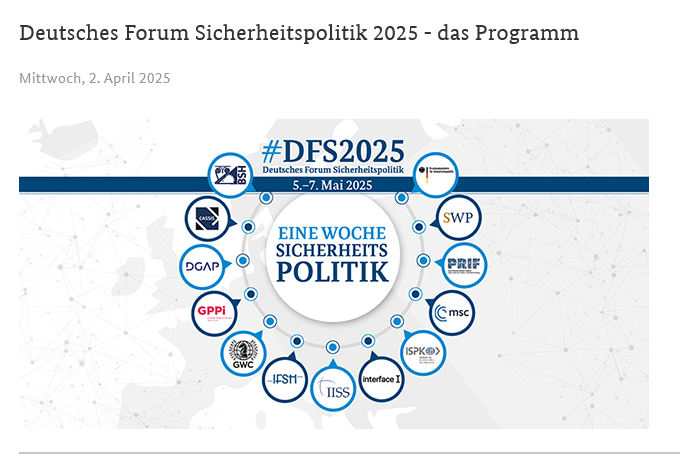
IFSH co-hosted a session for the German Forum Security Politics organized by the Bundesakademie für Sicherheitspolitik (BAKS). It explored how Germany can effectively respond to China’s rapid military buildup across cyber, nuclear, and conventional domains. Matthias Schulze outlined China’s cyber strategy, that encompasses economic espionage, political spying, military cyberwarfare, and domestic surveillance, targeting technology transfer…
-
Mateusz Łabuz was one of the keynote speakers in the Constitutional Club in New Delhi. The event was organized by the Future Shift Labs and served as a platform to launch the new report on digital threats published by the organization. Mateusz discussed, among other things, the conclusions from an earlier report by Future Shift…
-
Mateusz Łabuz was keynote speaker during the seminar organized by the Western Institute from Poznań. Mateusz presented detailed analysis on cybersecurity, analyzing the new challenges policymakers face in this area and the new threats emerging with technological advancements. The presentation was an introduction to an academic discussion on the limits of cybersecurity and the possibilities…
-
Mateusz Łabuz took part in two workshops as part of the Cyber Agora program implemented in cooperation between the German Marshall Fund, EU Cyber Direct and Microsoft. The seminars serve as preparation for the European Cyber Agora conference, which will take place on October 22-23, 2025 at the Microsoft Technology Center in Brussels. Its aim…
Archive
- Political Tech Summit
- Defending democracy against foreign influence campaigns: A wargaming exercise
- Webinar with Cyprus institutions
- Mateusz as a speaker at the GIZ conference
- Exploring Global Lessons in Cybersecurity
- ICS as part of the IFSH event format “Kurz Erklärt”
- Discussion Digital Threats and the Human Element: From EU Policies to Everyday Life
- Mateusz speaking on the risks of misusing LLMs
- Arms control in crisis: Technological and security challenges
- Webinar: Cyber-Operationen in den Kriegen in der Ukraine und im Gazastreifen
- Webinar at Nottingham Trent University
- Conference in King’s College in London
- Matthias at the symposium of Evangelic Church in Germany
- Our workshop on cybersecurity and cognitive warfare
- Shaping Cybersecurity 2025: „Stronger Together: Cyber Capabilities for vigilant Democracies”
- Webinar with the students of the University of Warsaw
- ICS at the German Forum Security Politics by BAKS
- Keynote speech at the Constitutional Club in New Delhi
- Keynote at the seminar organized by the Western Institute
- Preparations for Cyber Agora
- Keynote at the seminar organized by Gemeinschaft Katholischer Soldaten
- Participation in Friedenswerkstatt “Konflikte und Konfliktbearbeitung im digitalen Raum”
- Participation in Promotionskolleg “Sicherheit und Entwicklung im 21. Jahrhundert” seminar
- Shaping Cyber Security 2024: “China’s Cyber Challenge ” Strategic Competition in the Digital Age
- Shaping Cyber Security 2023: “Cyber in Conflict“ – Supporting Partners & Avoiding Escalation
- Kick-off Workshop on “Zero Trust”
- Workshop on the Implementation of UN Cyber Norms
- Workshop on Promises and Pitfalls of a Global Cybercrime Convention
- Workshop on the Cybersecurity Chapter of the German National Security Strategy
- Workshop on Government Vulnerability Disclosure